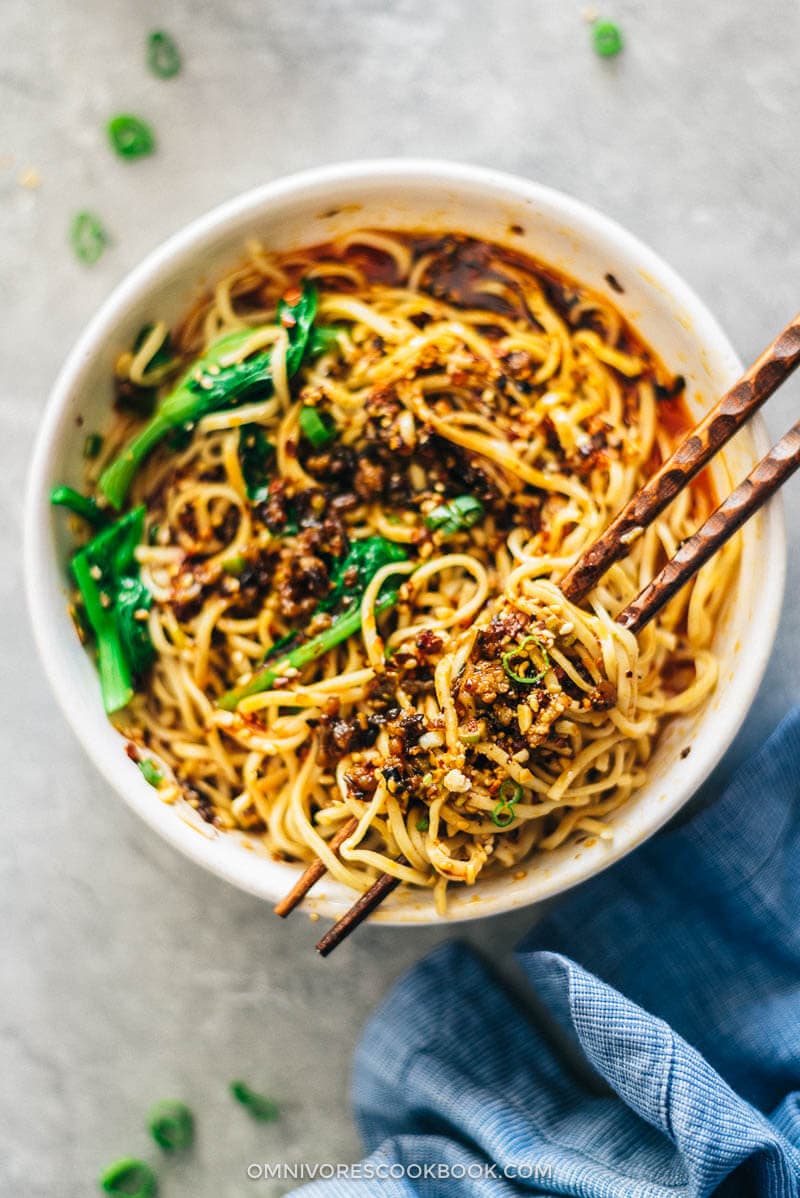
The red bean paste I made last time was good, but I thought it needed more depth. This time I changed the recipe a bit and it like it even better
Ingredients
1 lb bag dried azuki beans
3 cups water
1 tsp salt
4.5 tbsp maple syrup
1.5 tsp cinnamon
1 tsp cocoa powder
Cooking
Soak the dried azuki beans in water for 2-3 hours. After 3 hours, the water would be a little bit red. Discard the water and soak the azuki beans over night 8-12 hours. After 8 hours, you should be able to smell the azuki bean aroma.
Bring 5 cups of water to a boil. Once it's boiling, add the azuki beans and cook for 5 minutes. Discard the water and drain the beans. Put the beans back in the pot with 3 cups of water, maple syrup, cinnamon, salt and cocoa powder. Bring it to a boil and then simmer for 2 hours. Check it after 1 hour and add a bit more water if needed.
When the beans are soft and squish easily between your fingers, they are ready. Let the beans cool for 30 minutes and then mash them. If you want a fine red bean paste, use a food processor. I like it with a bit of texture, so I mash it with a potato masher.
Thursday, March 1, 2018
Tuesday, February 27, 2018
Sichuan Falafel
My wife asked me to make Falafel a few months back, so being a foodie I accepted the challenge. This was right after we visited Mission Chinese in NY, so I decided a Sichuan flavor would go well. I've made this a few times with slight variations, but this time was better than the previous recipes.
Ingredients
1 bag of dried chickpea
2 tsp Sichuan peppercorns
1 tsp cumin seeds
1 tsp coriander
2 bunches of cilantro
5-10 cloves of garlic
1 small onion
2 tsp chili oil
2 tsp salt
1 lime
2 dried red chili
Oil to deep fry
1/2 tsp baking powder
2 tablespoon flour
1 tablespoon corn starch
Preperation the day before
Falafel is traditionally made with uncooked chickpea. Some people say you can use cooked chickpea, but it won't have the same crunch. The night before soak the dried chickpea. This step isn't necessary, but I find it helps. After 2 hours, pour out the water and add fresh water. You'll notice the water turns a bit yellow after 2 hours of soaking. The next morning I pour out the water and put in fresh water again. At this point, the chickpea should be fully rehydrated.
Sichuan Powder
Toast the sichuan peppercorns, coriander, cumin, 1 tsp salt and dried chili in a pan for 1-2 minutes. Grind it in a spice grinder until it's a fine powder.
Making the mix
In 2-3 batches, grind the chickpea in a blender/food processor for 2-3 minutes. I like it to have some small and medium pieces. It gives it better texture. Rough chop the onion and cilantro. Blend the onion, garlic and cilantro until it's finely chopped. In a mixing bowl combine the chickpea, herbs, sichuan powder, 1 tsp salt, flour, corn starch, chili oil, lime juice and baking powder.
What I like to do is prepare the falafel mix the day before when I make dinner and then refrigerate them.
Cooking
Heat oil to 340-360F. Making golf ball size balls and drop them in the pot in small batches of 3-5. Don't put too many at the same time. Once they are dark brown, remove them from the oil and let them cool on a rack for a few minutes before eating.
If you want to use the falafels in a sandwich, form disks instead of balls so they fit inside a pita bread.
Ingredients
1 bag of dried chickpea
2 tsp Sichuan peppercorns
1 tsp cumin seeds
1 tsp coriander
2 bunches of cilantro
5-10 cloves of garlic
1 small onion
2 tsp chili oil
2 tsp salt
1 lime
2 dried red chili
Oil to deep fry
1/2 tsp baking powder
2 tablespoon flour
1 tablespoon corn starch
Preperation the day before
Falafel is traditionally made with uncooked chickpea. Some people say you can use cooked chickpea, but it won't have the same crunch. The night before soak the dried chickpea. This step isn't necessary, but I find it helps. After 2 hours, pour out the water and add fresh water. You'll notice the water turns a bit yellow after 2 hours of soaking. The next morning I pour out the water and put in fresh water again. At this point, the chickpea should be fully rehydrated.
Sichuan Powder
Toast the sichuan peppercorns, coriander, cumin, 1 tsp salt and dried chili in a pan for 1-2 minutes. Grind it in a spice grinder until it's a fine powder.
Making the mix
In 2-3 batches, grind the chickpea in a blender/food processor for 2-3 minutes. I like it to have some small and medium pieces. It gives it better texture. Rough chop the onion and cilantro. Blend the onion, garlic and cilantro until it's finely chopped. In a mixing bowl combine the chickpea, herbs, sichuan powder, 1 tsp salt, flour, corn starch, chili oil, lime juice and baking powder.
What I like to do is prepare the falafel mix the day before when I make dinner and then refrigerate them.
Cooking
Heat oil to 340-360F. Making golf ball size balls and drop them in the pot in small batches of 3-5. Don't put too many at the same time. Once they are dark brown, remove them from the oil and let them cool on a rack for a few minutes before eating.
If you want to use the falafels in a sandwich, form disks instead of balls so they fit inside a pita bread.
Saturday, February 24, 2018
Mala Ramen
Even though it's been almost two months since I went to Danny Bowien's Mission Chinese, I've been thinking about his Mapo Tofu. This week, I finally managed to make a ramen that tastes like his Mapo Tofu.
Broth
2 lbs chicken bones
1.5 lbs pork neck bones
1 large onion
2 inches of ginger
3 cloves
5 star anis
1 cinnamon stick
1 tsp fennel
1 tsp cumin
1 tsp coriander
4 pices of rock sugar
1/2 cup fish sauce
3 stalks celery
3 dried red chili
1 tsp sichaun peppercorns
16 Qt stock pot
I use a Vietnamese/french technique for making my broth. Preheat the oven at 375 and roast the onion and ginger for 45-60 minutes until it is slightly brown. This step is important, it gives the broth a smoky flavor.
Put the bones in a large stock pot and fill with enough water to cover the bones. Bring it to a boil and boil for 5-8 minutes. Remove the bones and rinse it under cold water. Dump the water and wash the pot. Rise the bones thoroughly and place them back in the pot. Fill the pot abot 3/4 full and add the remaining ingredients. I usually put the cloves, star anis, fennel, coriander, peppercorns and dried chili in a coffee filer and tie a knot. Bring the pot to a boil and then turn it down to a simmer. I like to simmer the broth for at least 14 hours. After 14 hours strain the broth and put it in another pot.
Sichuan Powder
2 tsp sichuan peppercorns
1 tsp cumin
3 large dried shitake mushrooms
Roast the peppercorns and cumin in a pan until it becomes fragrant. Break off the stem of the shitake. In a spice grinder, grind the ingredients to a fine powder.
Ramen
Ramen noodles
Pea greens/Spinach/bok choi
I make my own fresh ramen, but you can use frozen ramen. If you use frozen ramen, take it out of the freezer 5 hours before you need it and let it thaw. Fill the large stock pot 3/4 full and bring it to a boil. Bring the broth to a boil and turn it to medium. Blanch the greens for 60 seconds and cool with ice water. This can be done ahead of time.
When you're ready to make the ramen, add 1-3 tsp of sichuan powder in a bowl and pour 1 tbsp of hot butter over it. Put the noodles in a pasta strainer and set a timer. For fresh ramen 60 seconds. Thawed frozen ramen 80-90 seconds. Add the blanched veggies to the bowl and pour 5 ladles of soup to the bowl. When the ramen is ready, shake of the excess water and gently add it to the bowl. The ladle I use is a standard soup ladle that holds 12 oz.
You can garnish with a soft boiled egg, shrimp, pork belly or your favorite meat.
Broth
2 lbs chicken bones
1.5 lbs pork neck bones
1 large onion
2 inches of ginger
3 cloves
5 star anis
1 cinnamon stick
1 tsp fennel
1 tsp cumin
1 tsp coriander
4 pices of rock sugar
1/2 cup fish sauce
3 stalks celery
3 dried red chili
1 tsp sichaun peppercorns
16 Qt stock pot
I use a Vietnamese/french technique for making my broth. Preheat the oven at 375 and roast the onion and ginger for 45-60 minutes until it is slightly brown. This step is important, it gives the broth a smoky flavor.
Put the bones in a large stock pot and fill with enough water to cover the bones. Bring it to a boil and boil for 5-8 minutes. Remove the bones and rinse it under cold water. Dump the water and wash the pot. Rise the bones thoroughly and place them back in the pot. Fill the pot abot 3/4 full and add the remaining ingredients. I usually put the cloves, star anis, fennel, coriander, peppercorns and dried chili in a coffee filer and tie a knot. Bring the pot to a boil and then turn it down to a simmer. I like to simmer the broth for at least 14 hours. After 14 hours strain the broth and put it in another pot.
Sichuan Powder
2 tsp sichuan peppercorns
1 tsp cumin
3 large dried shitake mushrooms
Roast the peppercorns and cumin in a pan until it becomes fragrant. Break off the stem of the shitake. In a spice grinder, grind the ingredients to a fine powder.
Ramen
Ramen noodles
Pea greens/Spinach/bok choi
I make my own fresh ramen, but you can use frozen ramen. If you use frozen ramen, take it out of the freezer 5 hours before you need it and let it thaw. Fill the large stock pot 3/4 full and bring it to a boil. Bring the broth to a boil and turn it to medium. Blanch the greens for 60 seconds and cool with ice water. This can be done ahead of time.
When you're ready to make the ramen, add 1-3 tsp of sichuan powder in a bowl and pour 1 tbsp of hot butter over it. Put the noodles in a pasta strainer and set a timer. For fresh ramen 60 seconds. Thawed frozen ramen 80-90 seconds. Add the blanched veggies to the bowl and pour 5 ladles of soup to the bowl. When the ramen is ready, shake of the excess water and gently add it to the bowl. The ladle I use is a standard soup ladle that holds 12 oz.
You can garnish with a soft boiled egg, shrimp, pork belly or your favorite meat.
Saturday, February 10, 2018
Semi-sweet Anko Recipe
I looked at several other anko recipes including this one.
Based on the recipes I looked at, the ratio of azuki beans to sugar seems to be 1-to-1. Like most of my recipes I half the sugar and add other flavors to give it depth. Here's my recipe.
1 cup dried Azuki beans
1/4 cup light brown sugar
1/2 Tsp cinnamon
4 Tbsp honey
1 Tsp salt
3 cups water
Prep
I make the anko a day or in advance of when I need it and store it in the frig. Start by soaking dried anko beans for 12-16 hours. What I do is put the beans in a pot and add 4-5 cups of water. The next morning I drain the water and add fresh water. Soak for another 2-4 hours.
Cook
In a pot bring the beans to a boil and then turn it down to medium for 5 minutes. Drain the water and rinse the pot. This gets rid of the bitterness. Bring the beans to a boil again and simmer for 5 minutes and drain. If you're in a rush, you can skip the second simmer and rinse.
Put the beans back in the pot. Add cinnamon, salt, light brown sugar and 3 cups of water. Bring it to a boil and turn it down to medium low. Cook for 30 minutes and check if the beans are soft. At this point, they should be getting soft. Turn the heat to low and cook for another 30 minutes uncovered to evaporate some of the water. Every 5 minutes give it a stir. Turn off the heat and let the beans cool for 15minutes. Add 1 tbsp of honey at a time into the beans and stir. Taste the beans to see if you want more or less honey. I like 2-3 tablespoon of honey.
Let the anko cool down and then store it in the frig. It should last 1-2 weeks in the frig.
Tuesday, February 6, 2018
Salt Pepper Baked Potato
Here is my recipe for chinese inspired salt pepper baked potatoes. For this dish I like to use baby gold potato, but any potato will work. The key is to cut them to a size that will cook in 45min.
Chili Oil
1/4-1/2 cup peanut oil
1 cinnamon stick
3 cloves of garlic sliced
1 tsp Sichuan Peppercorns
3 dried chili
1 Tbsp chili powder or chili flakes
For the chili oil I like Korean Gochugaru, but any good chili powder or flakes will work. Start by heating the oil in a pan on medium heat. Add everything except the chili powder. Let it cook on medium low heat until the garlic starts to turn brown. Turn off the heat and let it steep for 15 minutes.
Strain the solids from the oil and put it back in the pan. Heat the oil again on medium heat until it gets to 300 degrees F.
In a heat proof bowl pour the hot oil over the chili powder in thirds. Pour 1/3 and stir, followed by another third and then the last third. The reason for doing this is to extract the heat and flavor from the powder to the oil.
Pepper Powder
1 Tsp white pepper powder
1 Tsp Sichuan peppercorn
1 Tsp cumin seeds
1 Tsp salt
Over medium heat, roast the Sichuan peppercorn and cumin in a pan until it turns fragrant.
Grind the cumin, peppercorn and salt until it is a fine powder. Add the white pepper powder and mix.
Recipe
1 lb baby potatoe
1/2 Tbsp chili oil
1 pinch salt
3 cloves garlic
Preheat the oven at 400 degrees F.
Cut the potato into quarters. You want bite size pieces that will cook in 45 minutes. You can cut them smaller if you like and reduce the cooking time. Toss the potato in a mixing bowl with the chili oil and salt. Bake the potato for 35-45 minutes until cooked. In the mean time, mince the garlic and fry it with some oil until they are brown.
When the potato is done, toss them with the garlic oil and gradually add the salt pepper powder. You can garnish the potato with some chopped cilantro.
Chili Oil
1/4-1/2 cup peanut oil
1 cinnamon stick
3 cloves of garlic sliced
1 tsp Sichuan Peppercorns
3 dried chili
1 Tbsp chili powder or chili flakes
For the chili oil I like Korean Gochugaru, but any good chili powder or flakes will work. Start by heating the oil in a pan on medium heat. Add everything except the chili powder. Let it cook on medium low heat until the garlic starts to turn brown. Turn off the heat and let it steep for 15 minutes.
Strain the solids from the oil and put it back in the pan. Heat the oil again on medium heat until it gets to 300 degrees F.
In a heat proof bowl pour the hot oil over the chili powder in thirds. Pour 1/3 and stir, followed by another third and then the last third. The reason for doing this is to extract the heat and flavor from the powder to the oil.
Pepper Powder
1 Tsp white pepper powder
1 Tsp Sichuan peppercorn
1 Tsp cumin seeds
1 Tsp salt
Over medium heat, roast the Sichuan peppercorn and cumin in a pan until it turns fragrant.
Grind the cumin, peppercorn and salt until it is a fine powder. Add the white pepper powder and mix.
Recipe
1 lb baby potatoe
1/2 Tbsp chili oil
1 pinch salt
3 cloves garlic
Preheat the oven at 400 degrees F.
Cut the potato into quarters. You want bite size pieces that will cook in 45 minutes. You can cut them smaller if you like and reduce the cooking time. Toss the potato in a mixing bowl with the chili oil and salt. Bake the potato for 35-45 minutes until cooked. In the mean time, mince the garlic and fry it with some oil until they are brown.
When the potato is done, toss them with the garlic oil and gradually add the salt pepper powder. You can garnish the potato with some chopped cilantro.
Sunday, December 31, 2017
Mushroom Fried Rice inspired by Danny Bowien of Mission Chinese
I was very inspired by Danny Bowien's mushroom fried rice and decided to make fried rice for dinner. Instead of doing what I usually do, I practiced restraint. Here's the ingredients.
2 tbs Mushroom powder
4 scallions
2 cloves garlic
2 slices ginger
3 cups jasmine rice
4 tbs soy sauce
4 tbs sesame oil
2 tbs chili oil
4 dried shitake mushroom
1/4 cup ground pork
Soak the mushrooms in warm water 4 hours before you need it. Once it's re-hydrated, slice thinly and squeeze out excess water. I used Danny's recipe to make some mushroom powder. I used 1 dried shitake mushroom and a piece of kombu seaweed. After several minutes with a mortar and pestle. I had a fine powder.
Heat the wok and add 1 tbsp of oil. Let it heat for a few seconds and then add minced garlic, ginger, whites of the scallion and 1 tbs mushroom powder. Stir fry for 10 seconds and then add the sliced shitake mushroom. Once the mushrooms are fragrant add the ground pork, 2 tbs soy sauce, 2 tbs sesame oil and 2 tbs chili oil and stir-fry for 2-3 minutes or until cooked.
Gradually add the cooked rice and mix over medium heat. Add the last 2 tbs of soy sauce and sesame oil. Sprinkle the last tbs of mushroom powder, greens of the scallion and mix thoroughly.
2 tbs Mushroom powder
4 scallions
2 cloves garlic
2 slices ginger
3 cups jasmine rice
4 tbs soy sauce
4 tbs sesame oil
2 tbs chili oil
4 dried shitake mushroom
1/4 cup ground pork
Soak the mushrooms in warm water 4 hours before you need it. Once it's re-hydrated, slice thinly and squeeze out excess water. I used Danny's recipe to make some mushroom powder. I used 1 dried shitake mushroom and a piece of kombu seaweed. After several minutes with a mortar and pestle. I had a fine powder.
Heat the wok and add 1 tbsp of oil. Let it heat for a few seconds and then add minced garlic, ginger, whites of the scallion and 1 tbs mushroom powder. Stir fry for 10 seconds and then add the sliced shitake mushroom. Once the mushrooms are fragrant add the ground pork, 2 tbs soy sauce, 2 tbs sesame oil and 2 tbs chili oil and stir-fry for 2-3 minutes or until cooked.
Gradually add the cooked rice and mix over medium heat. Add the last 2 tbs of soy sauce and sesame oil. Sprinkle the last tbs of mushroom powder, greens of the scallion and mix thoroughly.
Mission Chinese Circus-Foodcation for the holiday
The last few holidays the kids complain "we don't go any where or do anything interesting." That's true. I'm an introvert and don't like to travel. For this winter holiday, I asked myself, "How do I make traveling fun?"
My solution is to go some place where there is fantastic food. Luckily, NYC had both: Big apple circus and great food. This season's Mind of a Chef was about Danny Bowien. Watching this season, made me want to drive down to NYC to experience his cooking. Our travel was book-ended by Ivan Ramen and Mission Chinese.
ChongQing Chicken Wings
The first bite felt like someone punched me in the mouth, but it wasn't just a jab. It felt like simultaneously being punched from every side with every possible combination. Once the initial shock settles down, I wanted to taste more. I couldn't figure out what the flavor was and it wasn't just sichuan peppercorns and red chilis. There was cilantro, hint of cumin, salt, lime and sweetness. I'm looking at the recipe in Danny's book and honestly I didn't notice the star anise, cloves, fennel or mushroom powder. Star anise, cinnamon, cumin, fennel and clove are used in Chinese five spice. The way Danny combined these spices hinted at five spice without yelling "yeah it's five spice." Any chef can take the standard five spice and add it to a dish. Danny created his own version.
I've probably had hundreds of dishes flavored with a variety of five spices, but I've never tasted these flavors. It's clear this is Danny's version of buffalo wings, but it's way beyond monday night football snacks. These wings have soul, warmth and power.
Mapo Tofu
Danny's version of this classic chinese dish is like no other Mapo Tofu I've had. I've made hundreds of variations on Mapo Tofu for the kids and I've eaten this dish a thousand times since I was a kid. Mapo Tofu wasn't nearly as hot as the wings, they were just right for me. I really love this dish. The pork had a deep flavor and the tofu provided the balance. The sichuan chili oil was familiar, but still different. There was a bit of bitterness behind the salty, spicy and sweet. The traditional Mapo usually doesn't highlight the bitterness. The Americanized version tends to be way sweeter than I like. After the third bite, my brain was still trying to understand the sensation. It wasn't until I got home and hacked together Shin ramen with Danny's Mapo that I realized "this is another side of Danny's soul." As I grow older, I get a better understanding of how pain and sorrow play an integral part of life. That swing between joy and pain is what makes life worth living. Danny's Mapo is the embodiment of that dance between the heat of numbing spice to the sweetness, but all of it floating on a delicate river of bitterness. It's not bitter like Chinese bitter melon, which I don't like. It's not like bitter chinese herbs. The bitterness is a warm embrace that tells you "this is the love of living".
When I got home, I was too tired to cook, so I hacked together Shin ramen with Mapo.
Smoked Mushroom "jerky" Fried Rice
On my facebook, I have dozens of pictures of fried rice. I make it regularly and change it up every time. On the surface, it looks a little weird and sacrilegious. But my advice is "get over it". Fried rice in the US is a mish-mash of "stuff" invented by Chinese chefs for Caucasians. It wasn't invented in China, but there are dishes that look like fried rice. Growing up in Taipei, my mom used to make Zongzi.
Danny's fried rice was a complete opposite of ChongQing chicken and Mapo. It was light, fluffy and smoky. The potato chips added a great contrast to the rice. Being Taiwanese, I like having weird texture combinations in my dishes. Bobba Tea was invented in Taipei. There are numerous dishes in Taiwanese cuisine that come weird textures. Potato chips on fried made perfect sense. The most striking thing about the rice is the mushrooms. It reminded me of shitake, but it wasn't shitake. I honestly couldn't figure out which mushroom he used. I kept eating. It felt so comforting yet still so different. I tend to overload my fried rice with carrots, peas, pork and other stuff. My wife and daughter both loved the fried rice. I'm gonna go out on a limb and say no other fried rice is like Danny's.
Lamb Dan Dan Mian
The traditional dan dan mian I'm familiar with is dry.
There's some variations, but they tend to have the same flavor profile. Danny's version tastes very different than any I've cooked or had in the past. I'm still trying to figure out what he did. It tastes familiar, but somehow transformed. Even now I'm thinking about how to reproduce his flavors and my brain is drawing a blank. From watching Mind of a Chef, I know he used Tobanjan. It's not just that he is using ingredients I know and love. Danny has rearranged them in ways I never thought of. I do some weird combinations in my cooking. Honestly I wouldn't have ever created these flavor combinations. His creativity is on another level.
As you can see from the picture, Danny's Dan dan mian is a noodle soup.
Pea Greens & Yuba in Kabocha Broth
My wife ordered the soup and boy I am soooo happy she did. It provided the perfect remedy to my burning mouth. Of all the dishes we got, this might be my favorite. If someone asked me "what dish do you think you'll like the most?" I wouldn't have said Pea Greens & Yuba. I'm trying remember exactly how it tastes, but I can't put my finger on it. It reminded me of a great winter melon soup or a great wonton soup. I wish Mission Chinese was closer, because I really want to figure out that flavor. Like every other dish, it takes flavors I know and love and transforms them into something new.
My solution is to go some place where there is fantastic food. Luckily, NYC had both: Big apple circus and great food. This season's Mind of a Chef was about Danny Bowien. Watching this season, made me want to drive down to NYC to experience his cooking. Our travel was book-ended by Ivan Ramen and Mission Chinese.
ChongQing Chicken Wings
The first bite felt like someone punched me in the mouth, but it wasn't just a jab. It felt like simultaneously being punched from every side with every possible combination. Once the initial shock settles down, I wanted to taste more. I couldn't figure out what the flavor was and it wasn't just sichuan peppercorns and red chilis. There was cilantro, hint of cumin, salt, lime and sweetness. I'm looking at the recipe in Danny's book and honestly I didn't notice the star anise, cloves, fennel or mushroom powder. Star anise, cinnamon, cumin, fennel and clove are used in Chinese five spice. The way Danny combined these spices hinted at five spice without yelling "yeah it's five spice." Any chef can take the standard five spice and add it to a dish. Danny created his own version.
I've probably had hundreds of dishes flavored with a variety of five spices, but I've never tasted these flavors. It's clear this is Danny's version of buffalo wings, but it's way beyond monday night football snacks. These wings have soul, warmth and power.
Mapo Tofu
Danny's version of this classic chinese dish is like no other Mapo Tofu I've had. I've made hundreds of variations on Mapo Tofu for the kids and I've eaten this dish a thousand times since I was a kid. Mapo Tofu wasn't nearly as hot as the wings, they were just right for me. I really love this dish. The pork had a deep flavor and the tofu provided the balance. The sichuan chili oil was familiar, but still different. There was a bit of bitterness behind the salty, spicy and sweet. The traditional Mapo usually doesn't highlight the bitterness. The Americanized version tends to be way sweeter than I like. After the third bite, my brain was still trying to understand the sensation. It wasn't until I got home and hacked together Shin ramen with Danny's Mapo that I realized "this is another side of Danny's soul." As I grow older, I get a better understanding of how pain and sorrow play an integral part of life. That swing between joy and pain is what makes life worth living. Danny's Mapo is the embodiment of that dance between the heat of numbing spice to the sweetness, but all of it floating on a delicate river of bitterness. It's not bitter like Chinese bitter melon, which I don't like. It's not like bitter chinese herbs. The bitterness is a warm embrace that tells you "this is the love of living".
When I got home, I was too tired to cook, so I hacked together Shin ramen with Mapo.
Smoked Mushroom "jerky" Fried Rice
On my facebook, I have dozens of pictures of fried rice. I make it regularly and change it up every time. On the surface, it looks a little weird and sacrilegious. But my advice is "get over it". Fried rice in the US is a mish-mash of "stuff" invented by Chinese chefs for Caucasians. It wasn't invented in China, but there are dishes that look like fried rice. Growing up in Taipei, my mom used to make Zongzi.
Danny's fried rice was a complete opposite of ChongQing chicken and Mapo. It was light, fluffy and smoky. The potato chips added a great contrast to the rice. Being Taiwanese, I like having weird texture combinations in my dishes. Bobba Tea was invented in Taipei. There are numerous dishes in Taiwanese cuisine that come weird textures. Potato chips on fried made perfect sense. The most striking thing about the rice is the mushrooms. It reminded me of shitake, but it wasn't shitake. I honestly couldn't figure out which mushroom he used. I kept eating. It felt so comforting yet still so different. I tend to overload my fried rice with carrots, peas, pork and other stuff. My wife and daughter both loved the fried rice. I'm gonna go out on a limb and say no other fried rice is like Danny's.
Lamb Dan Dan Mian
The traditional dan dan mian I'm familiar with is dry.
There's some variations, but they tend to have the same flavor profile. Danny's version tastes very different than any I've cooked or had in the past. I'm still trying to figure out what he did. It tastes familiar, but somehow transformed. Even now I'm thinking about how to reproduce his flavors and my brain is drawing a blank. From watching Mind of a Chef, I know he used Tobanjan. It's not just that he is using ingredients I know and love. Danny has rearranged them in ways I never thought of. I do some weird combinations in my cooking. Honestly I wouldn't have ever created these flavor combinations. His creativity is on another level.
As you can see from the picture, Danny's Dan dan mian is a noodle soup.
Pea Greens & Yuba in Kabocha Broth
My wife ordered the soup and boy I am soooo happy she did. It provided the perfect remedy to my burning mouth. Of all the dishes we got, this might be my favorite. If someone asked me "what dish do you think you'll like the most?" I wouldn't have said Pea Greens & Yuba. I'm trying remember exactly how it tastes, but I can't put my finger on it. It reminded me of a great winter melon soup or a great wonton soup. I wish Mission Chinese was closer, because I really want to figure out that flavor. Like every other dish, it takes flavors I know and love and transforms them into something new.
Subscribe to:
Comments (Atom)